“It was super validating”: Why Monzo adopted Liquid Glass on day one
October 5, 2026
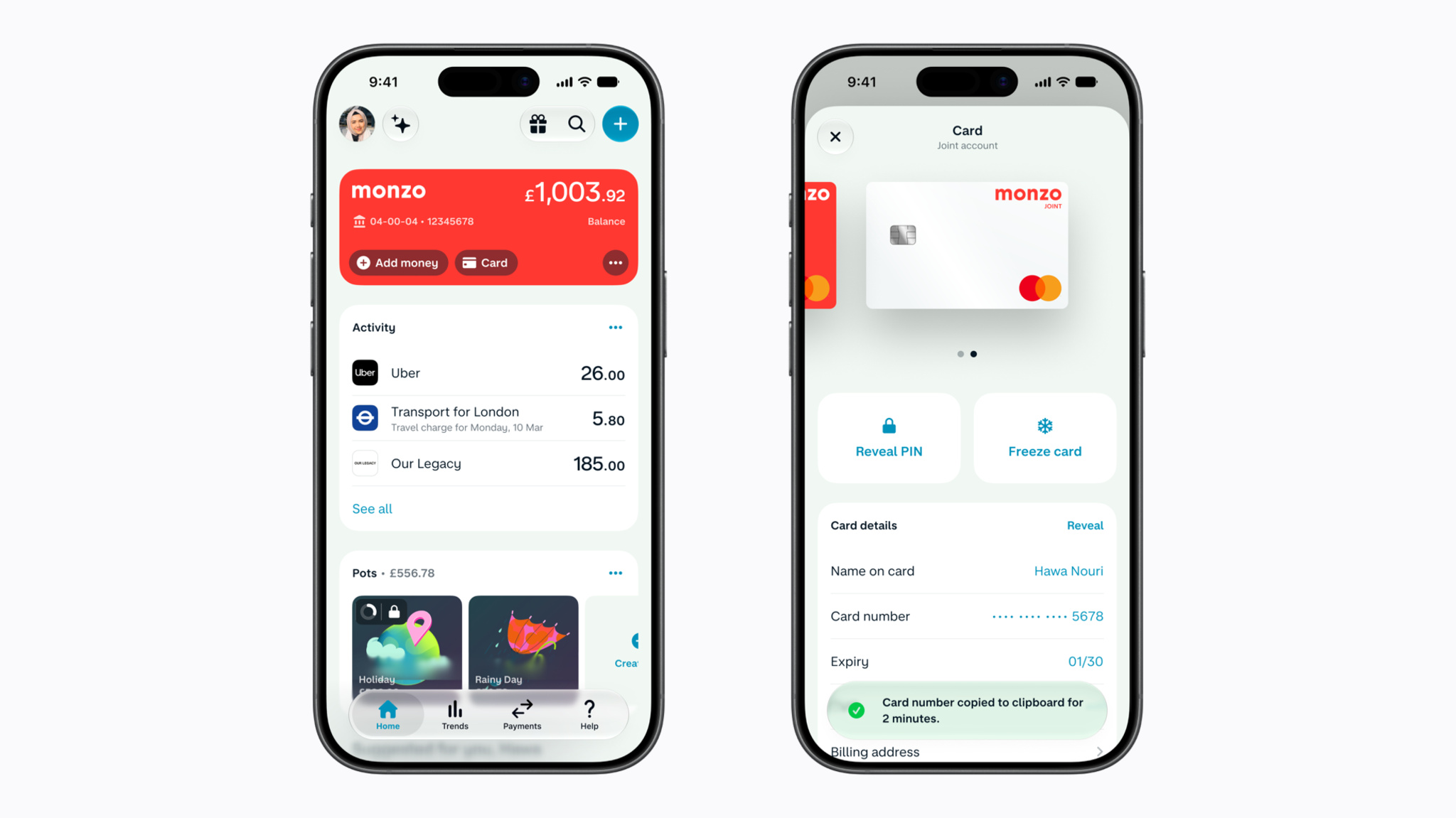
More than 16 million people rely on Monzo, the UK’s largest digital bank, to manage their money using features like spending notifications, category-based budgeting, bill splitting, and fee-free card use abroad.
Those customers have come to expect thoughtful design from their iOS experience, a reputation Monzo reinforced when it pushed Liquid Glass features live in its app.
“We weren’t expecting how much hype it created among our community and how many people commented on us being there on day one,” says Lucy Galik, a senior iOS developer at Monzo. “It was super validating.”
Galik unpacks the development team’s slow and steady approach, the company‘s responsibility-centric culture, and the pressure that comes with a high-stakes position.
Monzo
- Available on: iPhone
- Based in: London
Download Monzo from the App Store >
First, how do you handle the responsibility of building something people trust with their money?
Galik: Every edge case will happen sooner or later, so you can’t dismiss things as unlikely. You need to move forward cautiously.
How does that responsibility change how you navigate experimentation or ship new features?
Galik: We always start by asking, “What’s our rollback plan?” That’s our way of planning for the worst-case scenario. We also try to roll features out slowly, often starting with a limited group. With Liquid Glass, we began with a handful of developers and a few hundred internal testers. Then we expanded to external testers, and after two weeks, we went live on the App Store.
It’s about making sure we go slowly and gather learnings along the way. Once we’re confident we’ve learned everything we can and everything looks safe for the current group of people, we move on.
Which iPhone feature has made the biggest difference?
Galik: Notifications are incredibly important. People budget better when they’re more aware of their spending. That comes up quite often when we talk to people.
How have Apple’s design principles helped shape your approach?
Galik: Design guidelines influence us every day. We even quote them to each other. We take them seriously because it’s clear how much thought has gone into them. Because the entire system applies these patterns, people get a consistent experience. They don’t have to learn a new UI for every app. Performance is also key, though it’s a tricky thing: It’s completely invisible when done right but horribly jarring when it goes wrong.
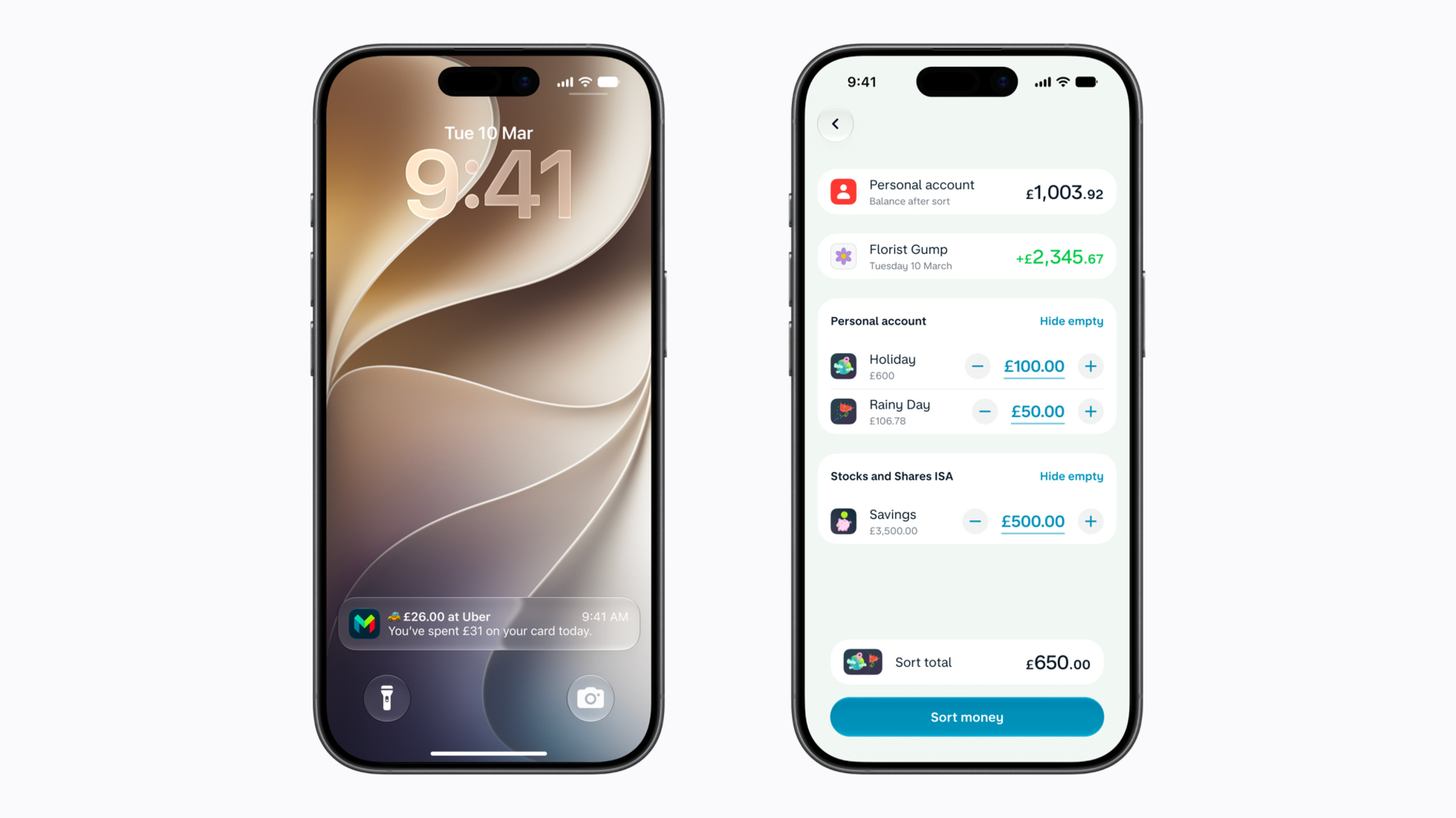
Monzo became the first major UK bank to adopt Liquid Glass. What did it take internally to make that happen?
Galik: We didn’t have to do much to convince our stakeholders. It was a developer- and designer-led initiative, and we got the green light quickly. Most of the questions we faced were about managing risk and ensuring we didn’t violate any regulations with our changes.
How did engineering, design, and compliance align to ensure everyone was happy with the outcome?
Galik: We’re already highly aware of what the rules are. We can spot potential issues instantly. For example, we’d know right away that a button with just a question mark isn’t what a regulator would want to see. Design had a very clear vision: If you can fit both an icon and text into a button and make it work, do that. If not, stick to text.
You’re working in a heavily regulated industry. How do you encourage innovation while maintaining the stability a bank requires?
Galik: We have a strong culture around responsibility. In our internal training, we’re asked questions like, “Who’s responsible for making sure we adhere to international sanctions?” The answer is always “All Monzonauts.” It’s a core part of our culture: No matter what the task is, everyone shares responsibility.
There’s also a strong sense of ownership. Ideas or fixes don’t have to come through official channels, nor do they even have to be linked to your day-to-day work. If you find something that isn’t right, you have the power to address it.
Keep reading
Developer stories explore best practices and philosophies from some of the most inventive developers in the Apple community. In each story, we go behind the screens with developers, designers, and engineers to find out how they brought their remarkable creations to life.